A Bitcoin VPS is a virtual private server you can buy with on-chain BTC or a Lightning invoice — no card, no PayPal, no payment processor in the loop. Cryptoservers issues a fresh deposit address per invoice (BIP-32 HD), absorbs the network fee, and provisions your VM on the first confirmation (~10 minutes on Bitcoin mainnet). Five tiers from $16.99/mo, four offshore jurisdictions, no KYC.
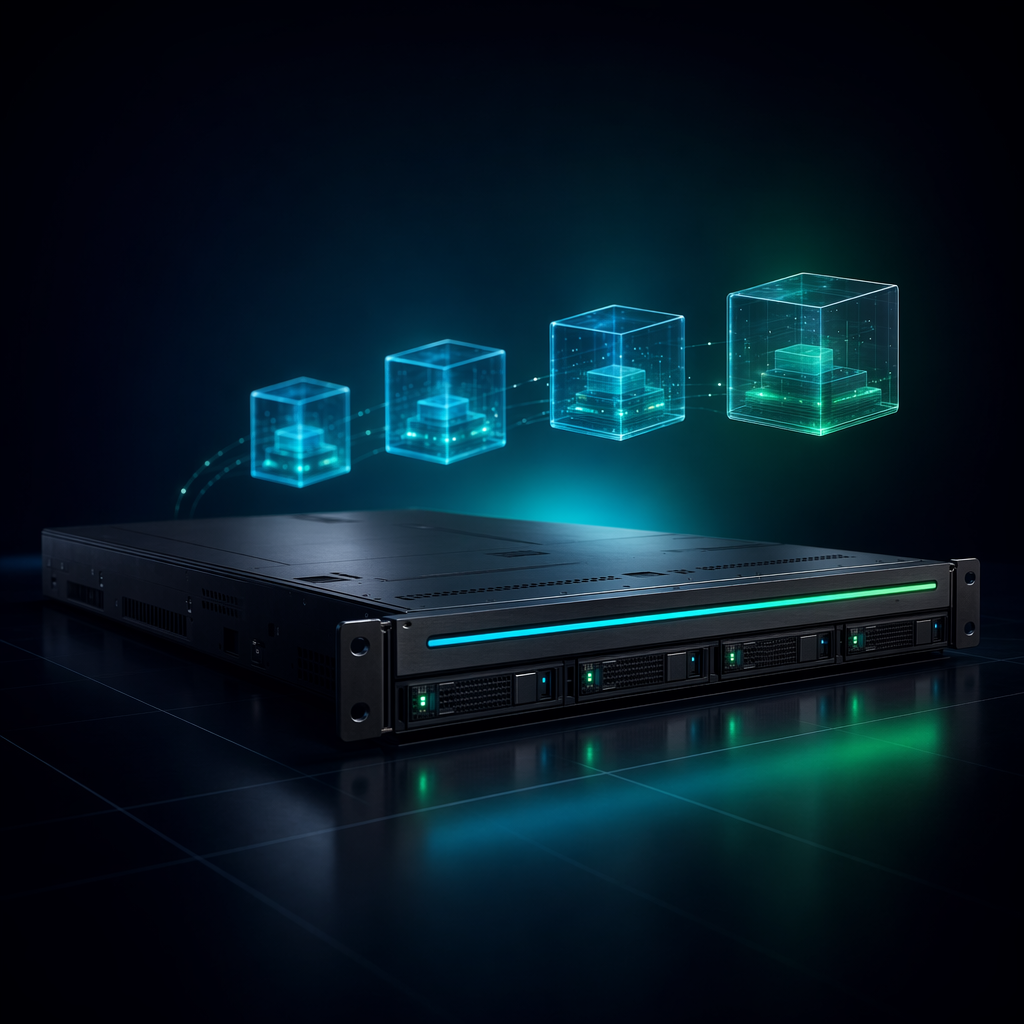
From "click deploy" to root SSH on a freshly provisioned VPS, in six discrete steps. Step 4 is on-chain (10 min) for BTC or sub-second for Lightning; everything else is measured in seconds.
Cuándo usar cada canal de pago. Aceptamos siete monedas; a continuación una comparación plana de comisiones, tiempo de liquidación y propiedades de privacidad para facturas de nivel VPS.
| Canal | Liquidación | Comisión de red | Privacidad on-chain | Ideal para |
|---|---|---|---|---|
| BTC on-chain | ~10 min | 1–10 sat/vB (we absorb) | Seudónimo, grafo UTXO público | Cualquier importe de factura, especialmente > 200 $ |
| BTC Lightning | < 5 s | Comisión mínima de enrutamiento (asumida por nosotros) | Saltos off-chain, origen no visible on-chain | Facturas pequeñas, iteración rápida |
| XMR (Monero) | ~2 min | ~0.0002 XMR | RingCT + direcciones sigilosas (privado) | Compradores que priorizan la privacidad — ver /monero-vps/ |
| LTC (Litecoin) | ~2.5 min | < 1 cent | Seudónimo, registro público | Confirmaciones rápidas, comisión baja |
| ETH | ~30 s (1 conf) | $0.30–$3 | Registro público, modelo de cuentas | Compradores que ya están en el ecosistema ETH |
| DASH | ~3 s (InstantSend) | < 1 cent | Público, PrivateSend opcional | Pagos rápidos estilo retail |
| BCH / DOGE | ~1–10 min | < 1 cent | Seudónimo, registro público | Compradores que tienen una de las dos monedas |
Comparativa de privacidad detallada: <a href="/es/guides/bitcoin-vs-monero-payments/">Pagos Bitcoin vs Monero</a>.
Los mismos cinco niveles que la página principal /vps/, presentados como una única tabla comparativa para el proceso de pago en BTC. Precios cotizados en USD, convertidos a BTC al tipo de cambio spot cuando se genera la factura.
| Nivel | vCPU | RAM | NVMe | Ancho de banda | Precio |
|---|---|---|---|---|---|
| Starter AMD EPYC 7443P | 2 | 4 GB DDR4 ECC | 60 GB | 1 Gbps ilimitado | $16.99/mo |
| Growth AMD EPYC 7443P | 4 | 8 GB DDR4 ECC | 120 GB | 2,5 Gbps sin límite | $26.99/mo |
| Business Intel Xeon Gold 6430 | 6 | 16 GB DDR5 ECC | 240 GB | 5 Gbps sin límite | $39.99/mo |
| Pro Intel Xeon Gold 6430 | 8 | 24 GB DDR5 ECC | 400 GB | 5 Gbps sin límite | $54.99/mo |
| Scale AMD EPYC 9454P | 12 | 32 GB DDR5 ECC | 640 GB | 10 Gbps ilimitado | $69.00/mo |
Dimensionamiento para nodos completos, nodos elagados y nodos de enrutamiento Lightning — tres cargas de trabajo diferentes con perfiles de almacenamiento y CPU muy distintos.
Nodo completo (sin elagar, con txindex). Mainnet plus indexes is approximately 600 GB as of mid-2026, growing roughly 80 GB per year. RAM: 8 GB minimum, 16 GB comfortable for index lookups. CPU: a single fast core (initial block download is mostly serial); ongoing operation is light. Recommended tier: <strong>Pro</strong> (400 GB) if you can prune <code>txindex</code>, otherwise <strong>Scale</strong> (640 GB) — or jump to a small dedicated server. Initial sync from cold takes 8–24 hours on Gen4 NVMe.
Nodo elagado. Bitcoin Core supports pruning the historical block files while keeping a fully validated chainstate. With <code>prune=8000</code> (8 GB block storage) plus a few GB of UTXO set and chainstate, the on-disk footprint sits around 8–12 GB. Recommended tier: <strong>Starter</strong> (60 GB NVMe) is fine. Useful for wallets, mempool monitoring, fee-estimation oracles and personal Lightning nodes.
Nodo de enrutamiento Lightning. Storage is negligible (channel state + gossip is a few hundred MB). RAM around 2–4 GB. CPU light. Bandwidth is the variable: a busy routing node moves a steady 5–20 Mbps of gossip and HTLC traffic. Recommended tier: <strong>Starter</strong> or <strong>Growth</strong>. Pair with a Bitcoin Core full node on the same box (Scale tier) or run the Lightning node alongside a remote Core node (cheaper).
Port hygiene: open <code>8333</code> for inbound P2P (more peers help the network and improve your own gossip), <code>9735</code> for Lightning channel listening if you want inbound channels, and <em>do not</em> expose RPC port <code>8332</code> publicly — bind it to localhost or a Tailscale interface and proxy as needed.
Bitcoin is pseudonymous, not anonymous. Every transaction is public forever; what you do at the edges (wallet hygiene, address strategy, change handling) determines whether your activity remains a forest of unrelated UTXOs or collapses into one cluster a chain-analysis vendor can sell.
Por nuestro lado: dirección nueva por factura. Cryptoservers derives every deposit address from a BIP-32 HD path on a watch-only wallet. We never display the same address twice and we never reuse one across invoices. This means the only thing chain-analysis can correlate from public data is "an unknown wallet sent funds to an unknown address" — neither side's identity is on the chain.
Por tu parte: consejos de higiene que no cuestan nada.
Bitcoin Optech publishes excellent ongoing guidance on UTXO management; the bitcoin.it wiki has a long-standing reference on <a href="https://en.bitcoin.it/wiki/Address_reuse" rel="nofollow noopener">why address reuse is harmful</a>. Both worth reading.
Las ocho preguntas que los compradores de Bitcoin nos hacen con más frecuencia.
Referencias del protocolo Bitcoin:
bitcoin.org — Developer Guide (confirmations, transactions)
Bitcoin Optech — weekly developer newsletter and topics index
Bitcoin Wiki — Address reuse
BIP-32 — Hierarchical Deterministic Wallets
BOLT-11 — Lightning invoice encoding
Cinco niveles, cuatro jurisdicciones, sin KYC, liquidado en la primera confirmación. On-chain o Lightning.

